Ping Pong Shooter
Project Type: Mechanical Engineering 102 (Foundations of Product Realization), Undergraduate
Year: 2025
Software: Fusion360, Illustrator, BambuStudio
Hardware: 3D Printing, Laser Cutting, Fasteners
Co-created by ME 102 group partners
This project provided an opportunity to critically explore and push fabrication processes including fastening hardware, and mechanical analysis.
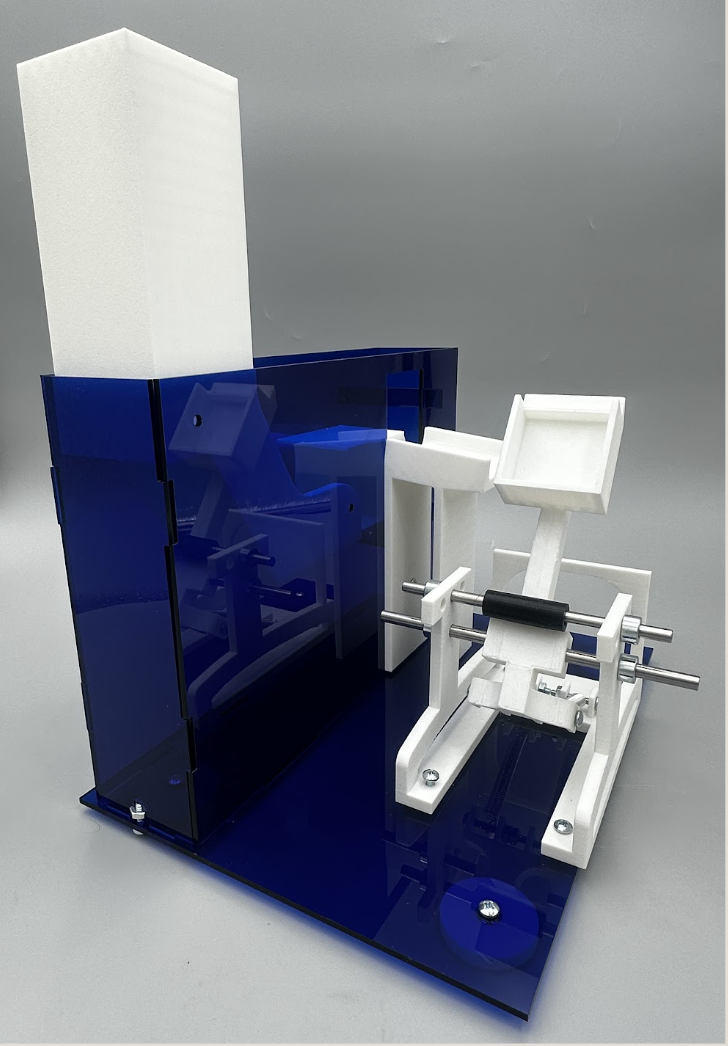
Criteria:
can it hold at least five ping pong balls while dispensing one at a time
must include a spring mechanism
can shoot the target from at least 7’ away
system must fit in a 12”x12”x24” volume
Prototype
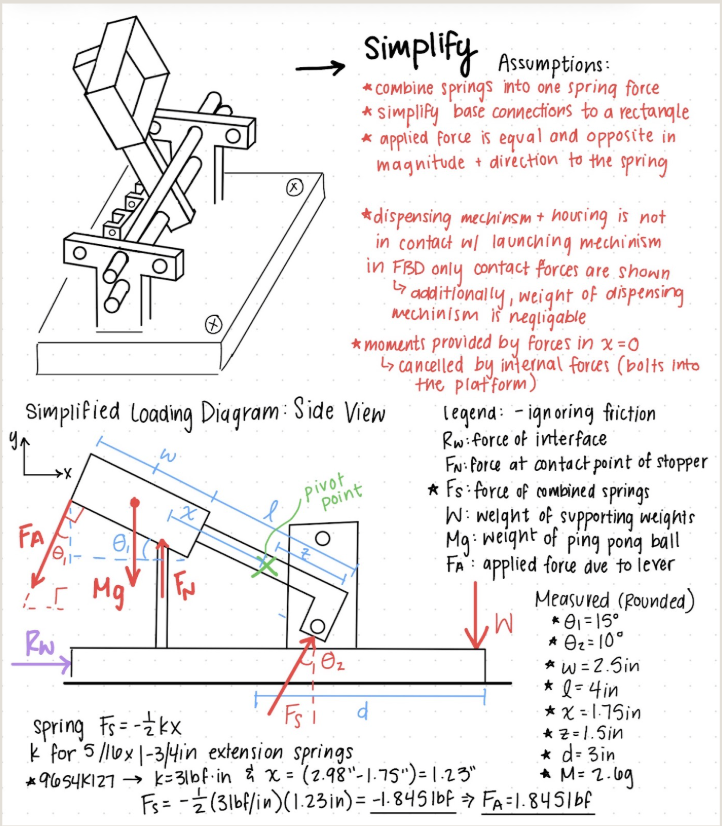
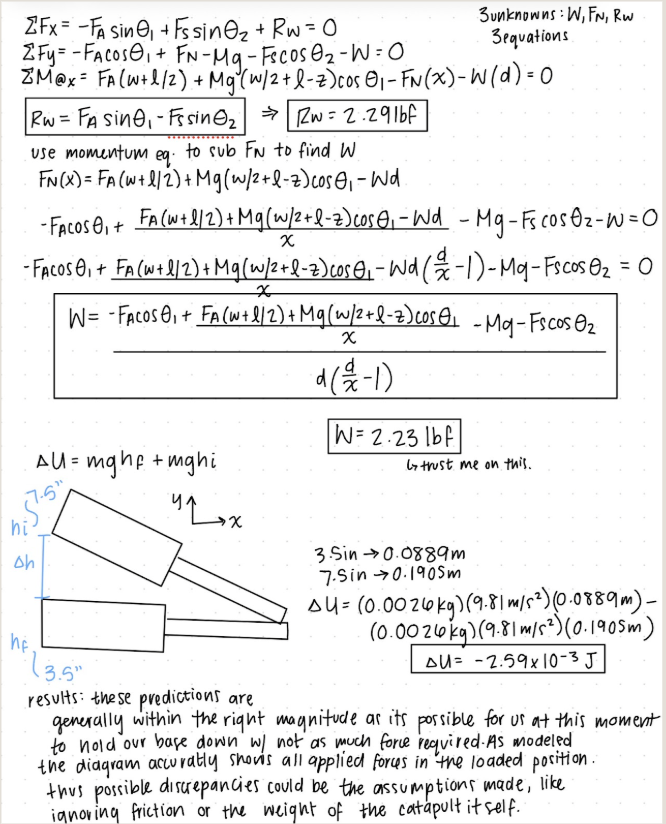
Mechanical Analysis
Key Points:
Required weight to resist upward momentum of base due to collision: 2.23 lbf
Collision force: 2.29 lbf
Extension Spring Force: -1.845 lbf
Manufacturing + CAD
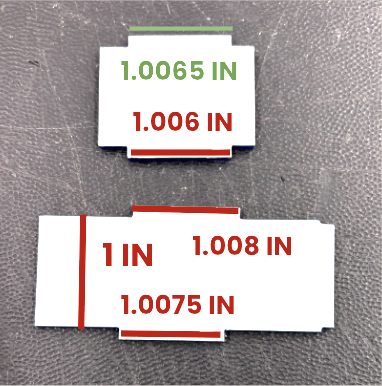
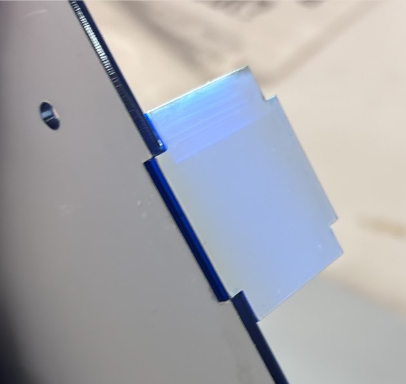
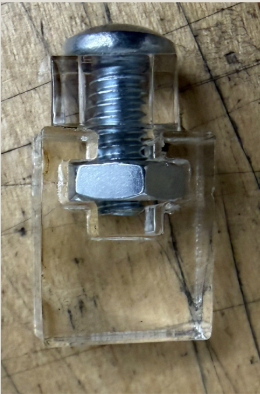
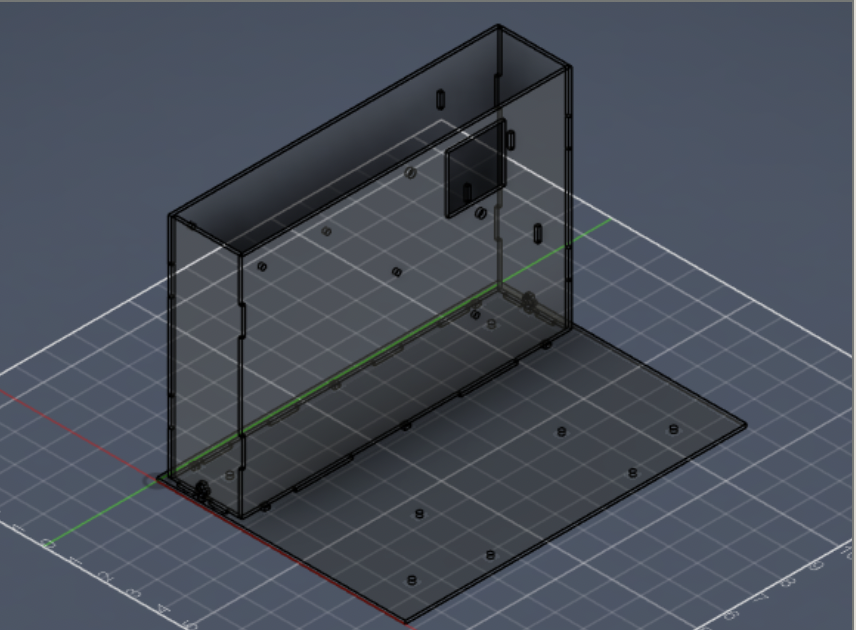
When creating our housing we used parameters to aid in ease of integrating modifications. Parameters helped when testing press fits while accounting for kerf of laser printers, and fitting of fastening hardware.
Iterations + Revisions
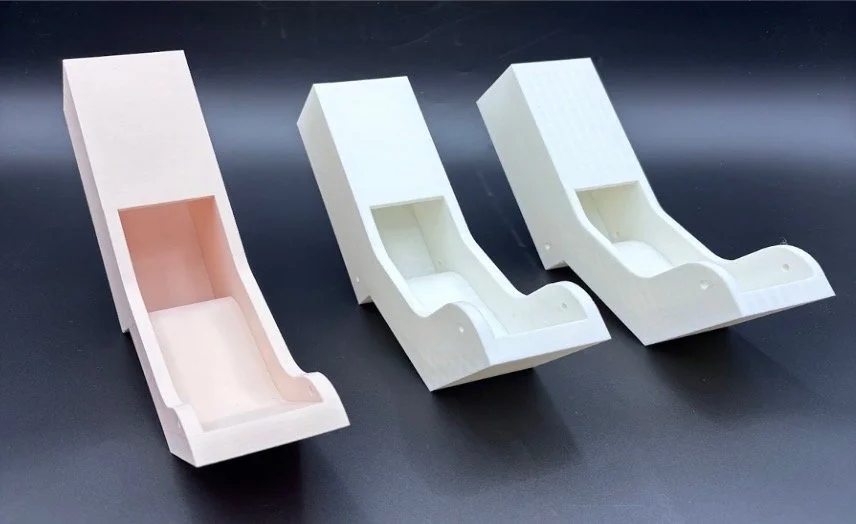
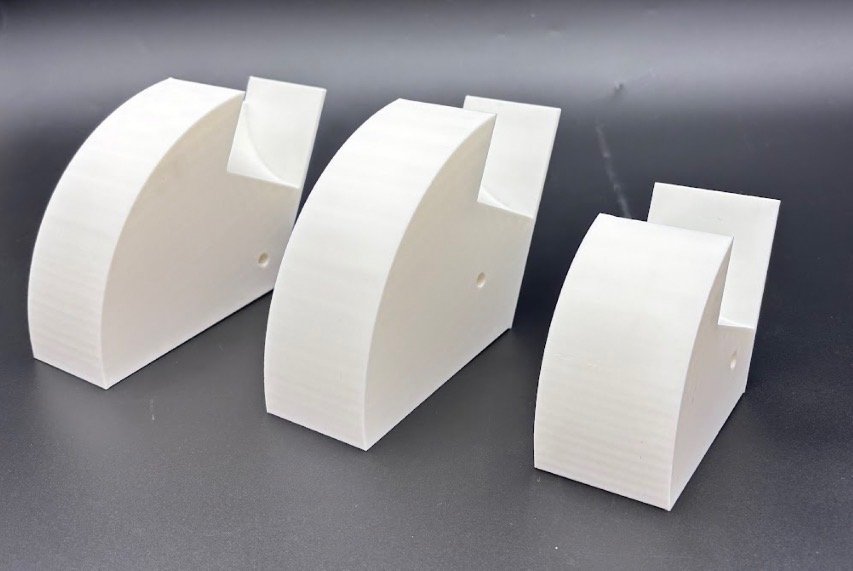
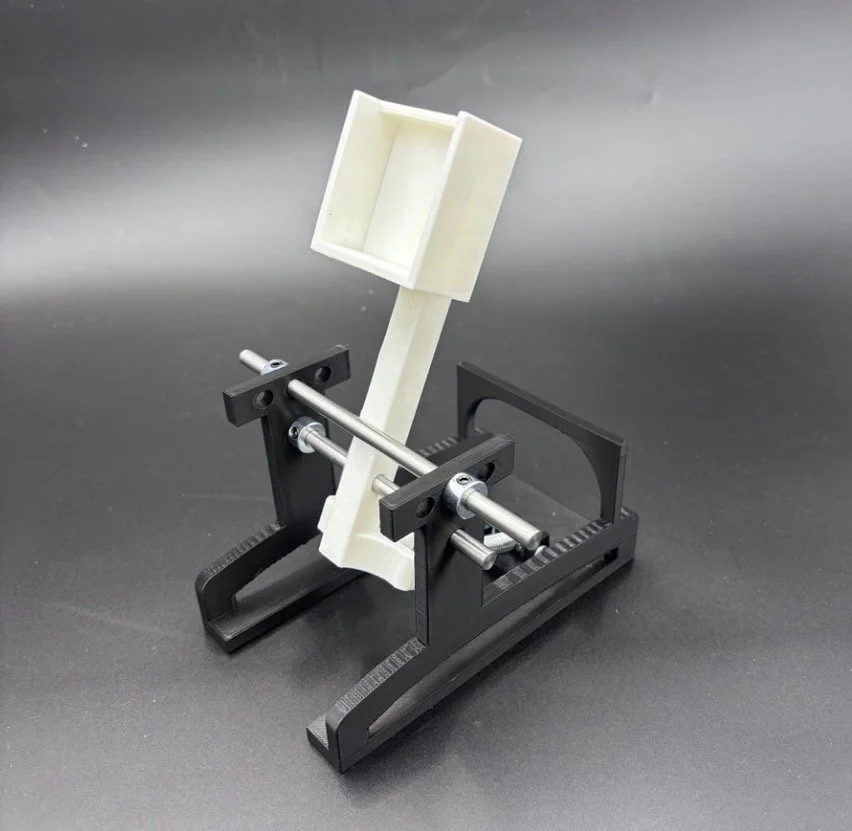
We iterated many versions of our critical parts. Revising in order to optimize for space and functionality.
We shrunk our funnel and our circular dispensing mechanism, and adapted our catapult to incorporate multiple springs, while adding a back stop to increase consistency when firing.
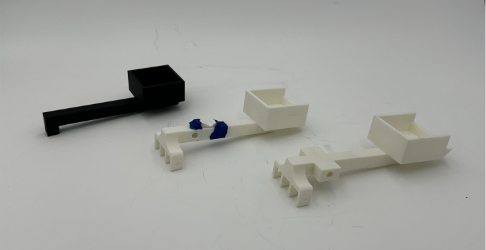
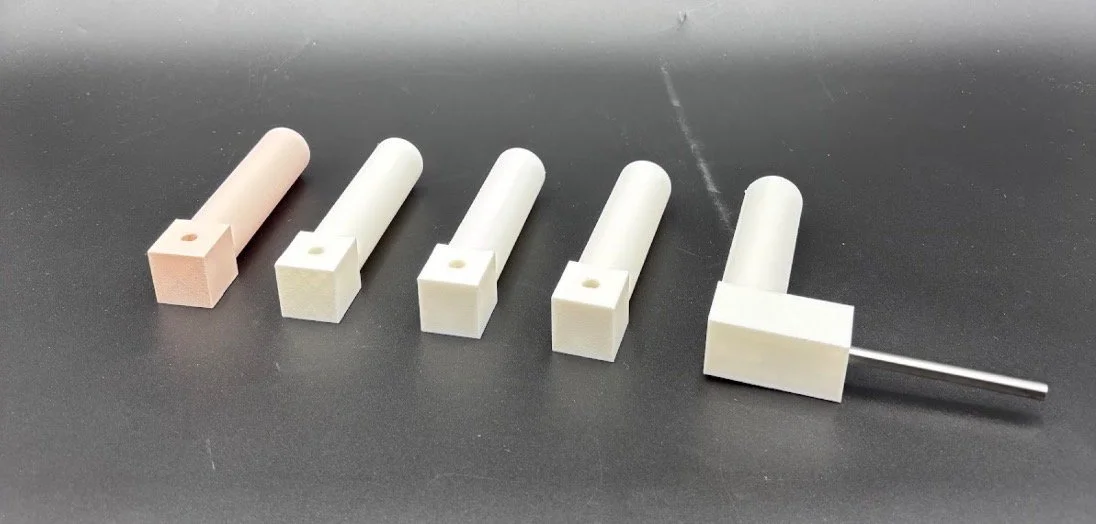
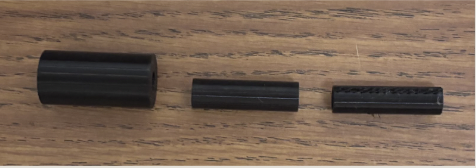
Our biggest adjustment was adding a damping sleeve (printed from TPU) along the stopping d-shaft in order to ensure our catapult arm didn’t break! We adjusted the size as fit, going back and forth between testing + revision.
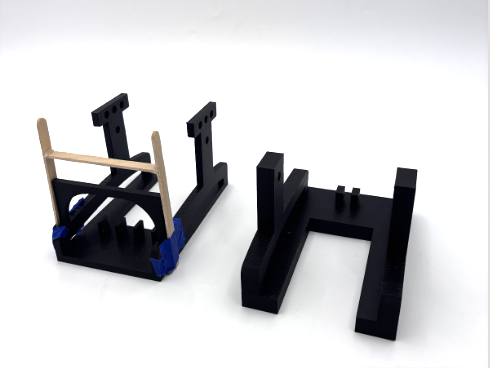
For many of our parts, we printed them with varying infill + lengths as the d-shaft hole would deform (making it fully circular) as we turned the shaft. This was especially important for our handle and lever arm.
Testing + Reflection
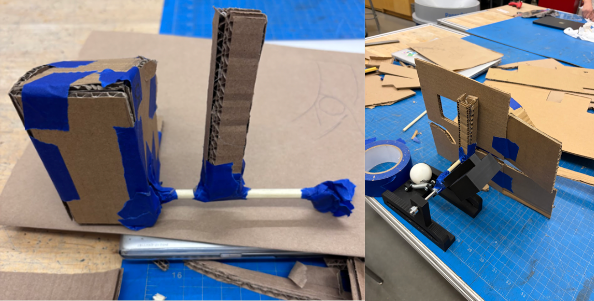
Based on our time constraints and the tools available to us, testing and modifying rather than doing extensive calculations first proved to be more efficient.
Using quick prototypes (i.e. cardboard) to understand and model mechanisms allow for easier integration into larger assemblies.
Parameters play a huge role in designing connections in multi-part assemblies when you are still in prototyping stages